The Sargassum Saga: A Floating Mystery with Real-World Impact

It sounds like the plot of a B-movie: a yearly invasion of “floating seaweed” disrupting paradise. But this phenomenon is very real—and its name is Sargassum. While new to many travelers, Sargassum has floated across oceans for centuries. In fact, Christopher Columbus encountered the seaweed back in 1492 during his journey through the Atlantic, later known as the Sargasso Sea.
Sargassum is incredibly resilient. It thrives in all oceans except the Antarctic and plays a vital role in marine ecosystems. But since 2011, large-scale blooms have regularly made their way into the Caribbean, including Mexico’s most popular tourist region: Cancún and the Riviera Maya.
What Causes the Seaweed Season?
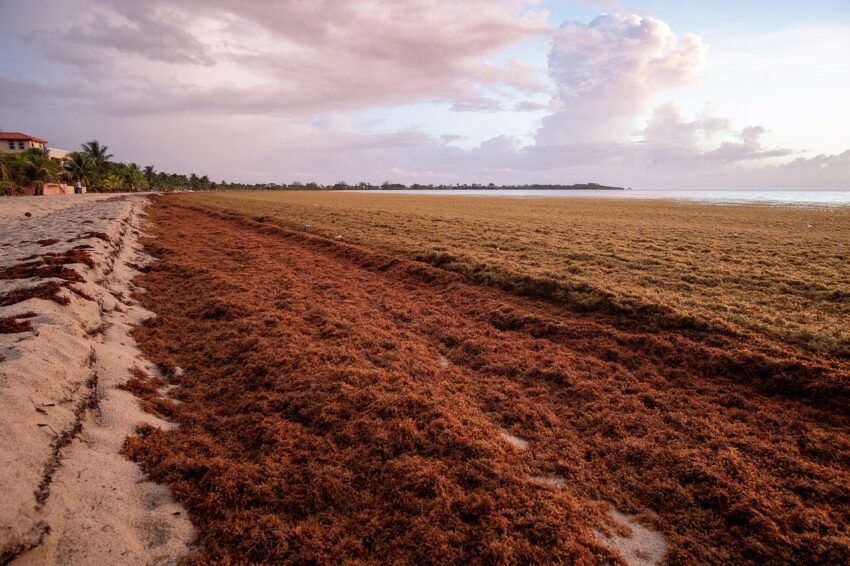
The shift began in 2011, when changing ocean currents, winds, and nutrient-rich runoff from the Amazon Basin caused Sargassum to move toward the tropical Atlantic. What followed was an increase in dense mats of the brown algae washing ashore in massive quantities—especially during the warmer months.
Sargassum blooms are now tracked via satellite. In its prime, the Great Atlantic Sargassum Belt stretches from West Africa to the Gulf of Mexico, spanning over 8,850 kilometers (5,500 miles). Although smaller in 2024 compared to the record-breaking 2023 season, early data for 2025 indicate moderate growth. The heaviest landings are still expected between late May and early August, peaking in June or July—mirroring hurricane season.
Benefits of the “Brown Menace”

Despite its smelly reputation, Sargassum isn’t all bad news.
- Marine Habitat: Floating mats serve as a nursery for shrimp, juvenile fish, crabs, and sea turtles.
- Fertilizer Potential: It’s packed with nitrogen, potassium, and phosphorus—making it a useful, sustainable fertilizer.
- Edible in Moderation: In some coastal cultures, small quantities are harvested for food, cosmetics, and natural health products.
But like anything in excess, too much Sargassum can be damaging. On land, it rots quickly under the tropical sun, releasing hydrogen sulfide gas—an unpleasant smell that can cause respiratory irritation.
It also attracts insects, interferes with sea turtle nesting, and has been linked to fish die-offs in overburdened coastal areas.
Seaweed Season in Cancún
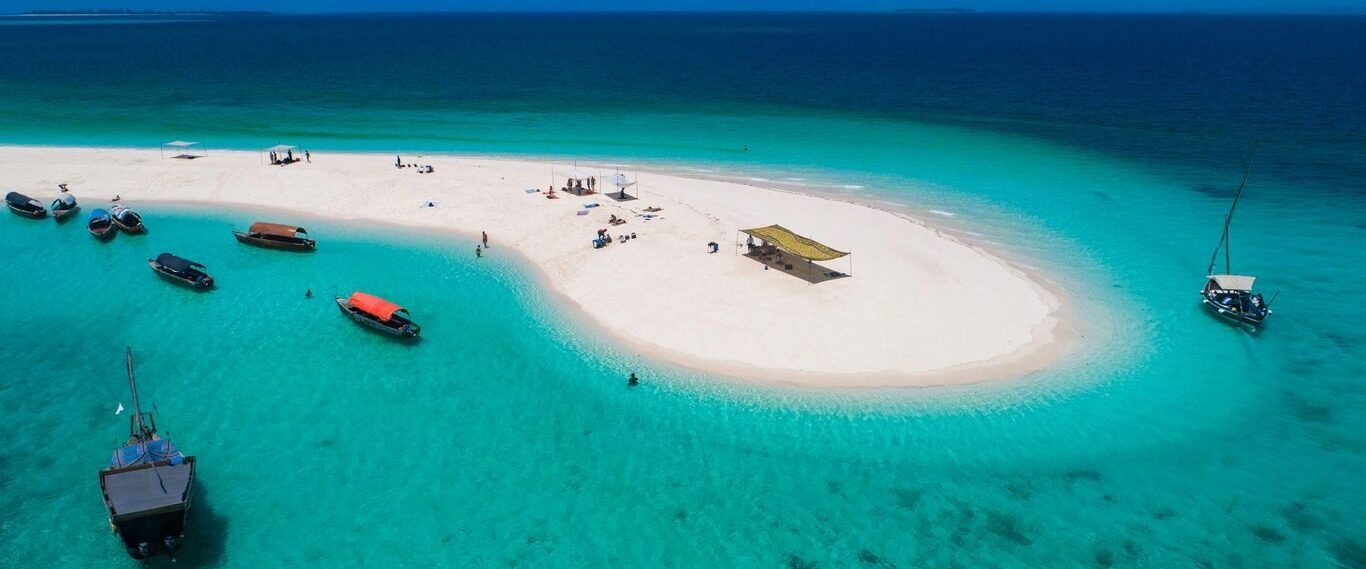
Cancún, situated on the northeastern tip of the Yucatán Peninsula, is renowned for its stunning white beaches and turquoise waters. Millions of travelers visit each year to explore its ancient ruins, vibrant coral reefs, and luxurious resorts.
But from May through October, Cancún’s sun-drenched coastlines sometimes trade crystal-clear views for waves of murky red-brown algae.
Beaches Most Affected
Certain beaches are more likely to experience heavy Sargassum landings, especially on the Caribbean-facing side of the peninsula:
- In Cancún: Playa Delfines, Playa Marlín, Chacmool, Ballenas, and Playa Coral see the most buildup.
- North Cancun: Las Perlas and Playa Del Niño experience moderate levels.
- Nearby Cozumel: The eastern side of the island, directly facing the Atlantic, often gets the worst.
Algae-Free Alternatives
Looking for clear water even during peak seaweed season?
Head to:
- Isla Mujeres: Located just 6 miles off the coast of Cancún, Isla Mujeres remains relatively untouched thanks to its western-facing beaches.
- West of Yucatán Point: Located roughly 100 miles from Cancún, these Gulf-side beaches are generally sargassum-free throughout the year.
Cancún’s Seaweed Alert System
To help visitors navigate the season, Cancún and nearby towns have implemented a color-coded Sargassum Alert System:
- Blue Flag: 100% algae-free
- Green: Minimal seaweed present
- Yellow: Moderate accumulation
- Orange: High amounts on shore
- Red: Excessive levels; water activities may be limited
Daily reports are posted online and at major hotel beaches, keeping tourists informed before they step onto the sand.
Fighting the Flotilla: How Cancún Handles Seaweed
Cancún takes the seaweed situation seriously. The local government, in coordination with hotels and environmental organizations, spends millions each year on:
- Satellite Monitoring: Real-time data helps predict where and when the blooms will land.
- Daily Cleanups: Over 200 workers and volunteers remove seaweed by hand or with special beach-cleaning equipment.
- Barriers and Booms: Offshore floating nets help divert seaweed before it hits the beach.
- Private Cleanup Crews: Resorts often hire dedicated teams to maintain their beachfronts.
Some resorts now offer Sargassum-free pools, rooftop lounges, or shuttle services to unaffected beaches, ensuring guests enjoy a pristine experience regardless of the conditions.
To Go Or To Cancel?
Absolutely not. Yes, seaweed season can be a nuisance. But it rarely ruins an entire vacation. Plenty of beaches remain clean, and resorts are more prepared than ever. Plus, the Caribbean coast offers much more than beach time:
- Snorkeling & Diving: Offshore reefs like those near Isla Mujeres and Cozumel are often unaffected.
- Cenote Adventures: Inland freshwater sinkholes (cenotes) are crystal clear and algae-free year-round.
- Mayan Ruins: Explore Chichen Itza, Tulum, and Coba for a dose of history and culture.
If you’re especially concerned, consider visiting between November and April, when the risk of seaweed is lowest.
2025 Seaweed Outlook
According to the University of South Florida’s Optical Oceanography Lab, the 2025 Sargassum season is expected to be moderate, with fewer accumulations than the historic 2023 season. Early satellite imagery shows patchy development in the Central Atlantic and Caribbean, suggesting that peak landings will remain below record levels.
Still, conditions can shift quickly with changing weather patterns, so travelers are encouraged to monitor local forecasts and hotel updates before arrival.
[ This article may contain links that provide the website with a small commission. ]

Rhonda Fletcher
Rhonda is an articulate hodophile, wine lover, and dedicated travel journalist and photographer. She focuses on culinary and cultural exploration, wildlife expeditions, ancient discoveries, and ecologically sustainable travel. Follow her exploits and shenanigans on X and Instagram: @rr_fletcher