A Hidden Jewel in the Atlantic

Just thirteen miles off the southern coast of Rhode Island lies Block Island. It is a tranquil, time-slowed world that feels like it was dropped into the Atlantic from a storybook. It is frequently overlooked in favor of its louder New England cousins — Nantucket or Martha’s Vineyard. Block Island remains untouched in all the right ways. No sprawling resorts or high-rise developments. It offers unspoiled beauty, windswept cliffs, quaint shops, and rolling hillsides scattered with stone walls and wildflowers.
The island, measuring only seven miles long and three miles wide, offers a quiet kind of magic. Ferries hum across the water from Point Judith, Newport, or New London. But once the harbour dock comes into view, time slows to the rhythm of waves lapping against a wooden pier.
Old Harbor: A Classic Seaside Welcome
Most visitors arrive in Old Harbor, the main entry point and the beating heart of Block Island. Historic inns gaze over the water like proud stewards of the past, while bicycles and mopeds weave through streets lined with clapboard shops and weathered taverns. The town is compact, inviting, and utterly walkable.
Dining in Old Harbor presents a satisfying mix of salty favorites and creative coastal cuisine. From creamy clam chowder served in a steaming bread bowl to local oysters briny with flavor, the island delivers on every bite. And sunsets from waterfront patios? Nothing short of poetic.
The Lighthouses: Beacons of Beauty
No visit is complete without meeting Block Island’s two iconic lighthouses. At the northern tip, North Light stands resilient among the dunes of Sandy Point, guarding the shore since 1867. A peaceful, slightly rugged walk through the sand leads to this stoic structure, often accompanied by the chatter of seabirds and the distant splash of seals.

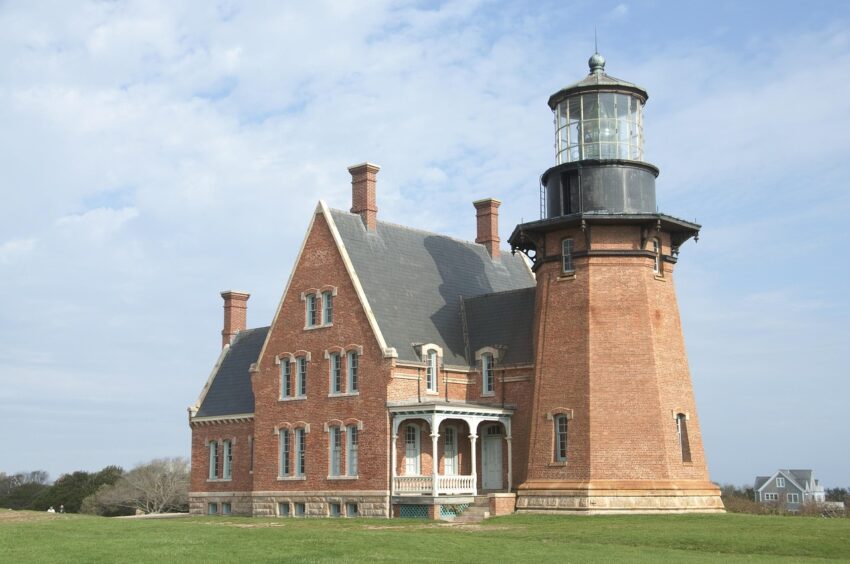
On the southern edge of the island sits the more famous Southeast Light, perched atop the Mohegan Bluffs. This 1875 red-brick lighthouse, crowned with a green lantern room, commands sweeping views of the Atlantic Ocean. It’s not just a pretty face—Southeast Light is considered one of the finest examples of Victorian lighthouse architecture in the country.
Mohegan Bluffs: Nature’s Dramatic Stage
Perhaps the island’s most awe-inspiring sight, Mohegan Bluffs delivers drama worthy of a film score. Towering nearly 200 feet above the sea, these rugged clay cliffs drop sharply into a sapphire stretch of water and a hidden crescent of beach below. Wooden steps—more than 140 of them—descend to the sand, where crashing waves and smooth stones set the scene for quiet contemplation or salt-sprayed adventure.
The bluffs are named after a 16th-century battle between the native Niantic and Mohegan tribes. Today, they serve as a dramatic natural amphitheater and a favorite spot for photography, meditation, and impromptu picnics.
Pirate Lore and Seafaring Legends
Long before sunbathers and birdwatchers arrived, Block Island was a favored haunt for pirates and smugglers. The island’s strategic location between trade routes made it a convenient stopping point—and not always for innocent reasons.
Legend holds that the infamous Captain Kidd once anchored offshore, stashing treasure along the craggy coastline. Whether fact or fantasy, the tales persist in whispered campfire stories and local folklore.
More than one weather-beaten boulder bears a name tied to this lore. The infamous “Black Rock” is said to be cursed by a betrayed buccaneer. There are even rumors of ghost ships that vanish into the fog just as suddenly as they appear, and taverns where pirate spirits allegedly linger.
The Block Island Historical Society preserves some of these mysteries in its archives. Still, much of the island’s pirate past exists in oral tradition, adding an irresistible sense of intrigue to coastal hikes and moonlit strolls.
Hunting for Glass Orbs: The Island’s Modern Treasure Hunt
In a delightful twist on tradition, Block Island has developed its singular version of a modern-day treasure hunt. It is known as the annual Glass Float Project. Each summer, dozens of hand-blown glass orbs, similar to Japanese “Glass Floats,” are hidden in the island’s natural areas.
Created by local artist Eben Horton, these shimmering orbs are modeled after the vintage glass fishing floats once used by mariners.
The rules are simple: finders-keepers. Over 500 orbs are distributed across trails, dunes, and beaches each season. The search becomes a playful challenge that blends art, nature, and childhood wonder. Some are tucked into driftwood hollows; others lie hidden among dune grass or beneath a canopy of trees.
It’s not just about the prize. It’s about slowing down and engaging with the landscape. The hunt connects explorers to the island in a meaningful way, transforming every step into a possibility.
Nature Trails and Wildlife Preserves
Block Island may be small, but nearly half of it is preserved land—protected and celebrated for its environmental richness.
The Block Island Nature Conservancy oversees miles of trails that wind through freshwater ponds, meadows, and maritime scrubland.
The Clay Head Trail, often called “the Maze,” is a favorite for hikers and birdwatchers alike. Twisting through dense thickets and opening to staggering ocean views, it provides a sense of discovery around every bend. Migrating songbirds use the island as a resting point, drawing birders from across the Northeast during spring and fall.
Elsewhere, the Greenway Trail system connects a dozen scenic routes for walkers, runners, and cyclists seeking a more serene encounter with the island’s soul.
Beaches: Bliss in Every Direction
New England is famous for its rocky coastlines. However, Block Island boasts over seventeen miles of sandy beaches. Each has a unique vibe.
Crescent Beach, just north of Old Harbor, is the island’s most accessible and family-friendly stretch. Calm surf, soft sand, and nearby rental shops make it a favorite for sun loungers and swimmers alike.
Mansion Beach, further down the coast, offers a quieter experience. Named after a long-gone Gilded Age estate, this beach feels wild and windswept. Many think it is perfect for long walks or reading in solitude.
Grace’s Cove, Cooneymus, and Dorry’s Cove are the ‘secret beaches’ that dot the western side of the island. Its pebble-lined shores are a favorite spot for sunset watchers and snorkelers chasing glimpses of underwater life.
Island History and Cultural Moments
Block Island’s history spans centuries. Originally inhabited by the Manissean people, the island was named after Dutch explorer Adriaen Block. Colonial settlers arrived in the 1600s. Unsurprisingly, the island was strategic during American conflicts through the 18th and 19th centuries.

Today, that history is preserved not just in museums but in the very texture of the island. Weathered cemeteries lie beneath old oaks. Stone walls crisscross farmland. Inns that once hosted whaling captains now welcome curious travelers.
The Block Island Historical Society Museum, located in a restored 1850s parlor house, showcases artifacts from the island’s maritime and Native American past. It protects the stories, offering context to the tranquility that blankets the island today.
Summer Vibes and Community Festivities
Summertime on Block Island is more than just beach towels and sunscreen. The season bursts to life with community events and local charm. The Fourth of July Parade features antique firetrucks, flower-decked bicycles, and spirited locals marching through town.
Art festivals, farmers markets, and live music sessions pop up across the island all summer long.
It is no wonder that Islanders take great pride in their sense of place. And visitors are welcomed into that spirit, whether sipping lemonade at a roadside stand or dancing barefoot under string lights.
Getting Around: Two Wheels, Open Roads
Cars are allowed on Block Island. However, many visitors opt for mopeds or bicycles. The island’s gentle hills and open vistas make cycling a joy, with each road leading to a new hidden cove, sea-facing overlook, or quiet wooded path. Rental shops dot the town, offering everything from classic cruisers to electric options for tackling the steeper grades.
Even walking becomes part of the pleasure. With fewer crowds and clean, salt-laced air, every step feels restorative.
Where to Stay: Inns, Cottages, and Quiet Retreats
Accommodations on Block Island reflect the island’s personality: cozy, personal, and unpretentious.

The National Hotel sits downtown, overlooking the harbor. It remains a Victorian-era anchor with porches perfect for lingering.
And across the island, cottage rentals and B&Bs cater to travelers seeking seclusion, longer stays, or a chance to live like a local. Some choose glamping-style sites or historic farmhouses nestled in rolling green hills.
The Darius Inn
The Darius is a bright, artist-style inn.
Block Island Beach House
This beachfront hotel features an on-site restaurant and easy access to Old Harbor. Residents will find the beach to be a short but peaceful walk.
The Atlantic Inn
The Victorian-era Atlantic Inn boasts exquisite Block Island views.
Whatever the choice, New England’s Block Island invites slower mornings, ocean breezes, and stars so clear they seem painted on the sky.
A Return to Simple Pleasures
Block Island is more than a summer destination—it’s a reset button. It invites a quieter rhythm, where days are measured not by checklists but by the color of the sky, the sound of the waves, and the thrill of finding a hidden glass orb.
For those craving the spirit of coastal New England with a whisper of legend and a dash of adventure, Block Island waits—serene, storied, and entirely unforgettable.
[ This article may contain links that provide the website with a small commission. ]

Rhonda Fletcher
Rhonda is an articulate hodophile, wine lover, and dedicated travel journalist and photographer. She focuses on culinary and cultural exploration, wildlife expeditions, ancient discoveries, and ecologically sustainable travel. Follow her exploits and shenanigans on X and Instagram: @rr_fletcher